
What is Prolotherapy?
Prolotherapy, also called proliferation therapy, is a time-tested therapeutic injection of a mixture of a local anesthetic and an irritant (usually dextrose) that heals damaged connective tissue and cartilage by stimulating inflammation, the first vital step of the Healing Cascade, the body’s natural healing process. With healing comes pain relief. Each injection is performed using ultrasound or x-ray guidance to ensure precise placement of the solution into the damaged
tissue.
As always, it all starts with the correct diagnosis. Many times, patients are wrongly diagnosed. For example, any patient with low back pain and a disc bulge is assumed to have low back pain caused by that bulged disc when it is really stretched, weakened ligaments along the spine are causing the pain. Tiny nerve fibers in the ligaments are stretched inside the ligaments and cause the pain. By strengthening and tightening the ligaments, we eliminate the nerve fiber stretch and relieve the pain.
Am I a Candidate for Prolotherapy?
Dr Santo determines if you’re a candidate for prolotherapy following a thorough consultation and examination.
Advanced PainCare and BioHealth Institute uses prolotherapy to treat chronic musculoskeletal conditions, such
As:
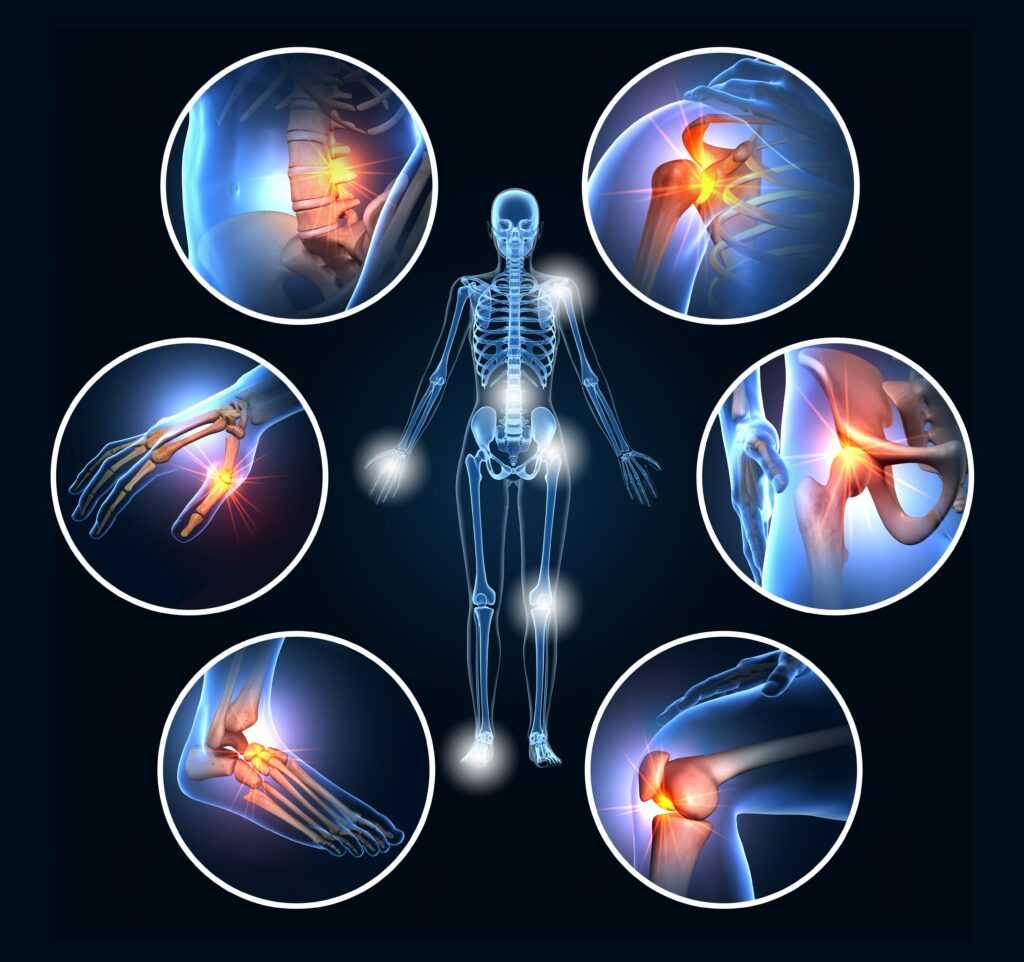
- Chronic knee pain including meniscus injuries
- Back pain
- Neck pain
- Tendinitis
- Bursitis
- Arthritis
- Tennis Elbow and Golfer’s Elbow
To determine if you are a candidate, call us today at (717) 791-2860 or request an appointment online.
Advanced PainCare and BioHealth Institute offers many innovative therapies that support the natural healing process, including platelet-rich plasma (PRP) and bone marrow concentrate (BMC) using proprietary protocols from Regenexx®®.
What Happens During Treatment With Prolotherapy?
During your session, Dr Santo injects the dextrose solution into the areas of your body where you have pain using X-ray or ultrasound-guided imaging to ensure accurate placement of the solution. There’s no downtime following prolotherapy, and you can resume normal activities afterward. Over the ensuing 4 to 6 weeks prolotherapy stimulates collagen production, increasing the tensile strength of connective tissue, thereby stabilizing joints, and improving joint and tendon dynamics. Prolotherapy also stimulates cartilage production, reducing joint friction and improving the shock absorption capacity of your joint. You may need a series of three to six sessions to get the most benefits.
Prolotherapy can be combined with PRP to provide a stronger stimulus for healing. To find out more about prolotherapy and how it can help you, call Advanced PainCare and BioHealth Institute at (717) 791-2860 or request
an appointment online today.

Prolotherapy
Frequently Asked Questions
Prolotherapy is a regenerative injection therapy used to treat chronic pain and musculoskeletal injuries. Below are answers to the ten most common questions patients have about this treatment.
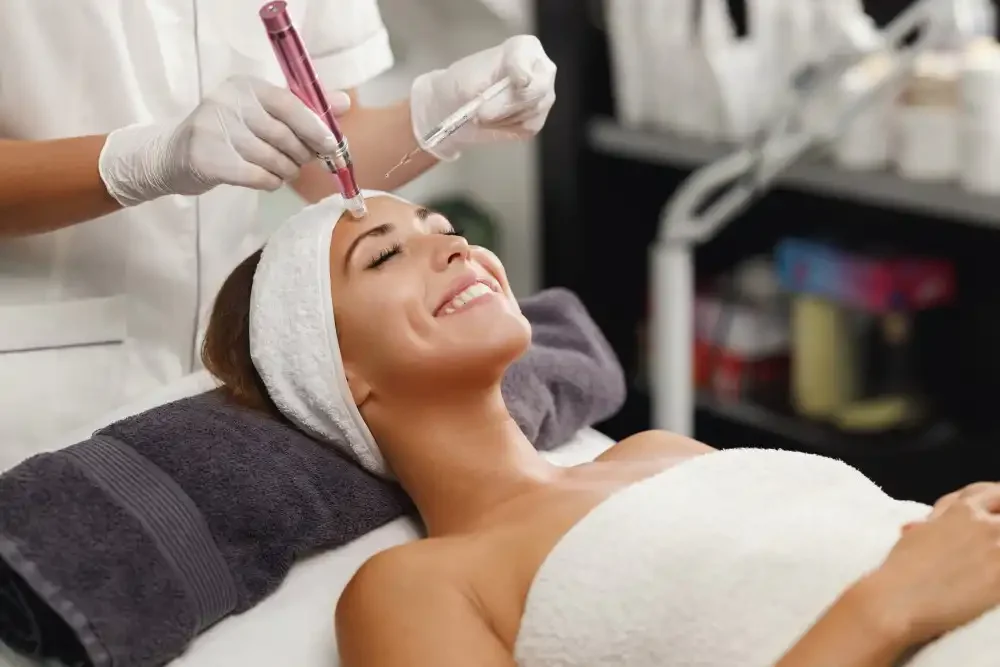
Prolotherapy (short for ‘proliferative therapy’) is a regenerative injection treatment used to relieve chronic pain and treat scarring of skin. A solution — typically containing dextrose (sugar water) and a local anesthetic (at Advanced PainCare and BioHealth Institute, we use ropivacaine) — is injected into damaged or weakened tendons, ligaments, or joints to treat musculoskeletal conditions. To treat scars, the solution is injected along the scar and just deep to the scar. This triggers a mild inflammatory response that stimulates the body’s natural healing process, promoting the growth of new, stronger connective tissue.
Prolotherapy is commonly used to treat chronic musculoskeletal pain, including low back pain, neck pain, osteoarthritis of the knee, hip, and shoulder, tennis elbow, plantar fasciitis, Achilles tendinopathy, sacroiliac joint dysfunction, and sports injuries involving tendons or ligaments. It is particularly suited for conditions caused by loose, damaged, or degenerated connective tissue that has failed to heal through conventional treatments. It is also helpful in reducing acne scarring.
Steroid (corticosteroid) injections work by suppressing inflammation and providing short-term pain relief, but they do not promote tissue healing and may even weaken tendons and cartilage over time with repeated use. Prolotherapy, by contrast, intentionally triggers a controlled inflammatory response to stimulate tissue repair and regeneration. The goal of prolotherapy is lasting structural improvement rather than temporary symptom management.
Most patients experience some discomfort during the injections, which is typically described as a brief burning or pressure sensation at the injection site. The local anesthetic in the solution helps minimize pain during the procedure. Soreness and mild swelling in the treated area are common for a few days afterward and are a sign that the healing response has been activated. Most patients find discomfort manageable, especially as they progress through their treatment course.
The number of sessions varies depending on the severity and duration of the condition, the specific area being treated, and each patient’s individual healing response. Most patients require between 3 and 6 sessions, spaced approximately 4 to 6 weeks apart. Some acute or mild conditions may respond in fewer sessions, while longstanding or complex injuries may require more. Your provider will reassess your progress after each treatment and adjust the plan accordingly.
Some patients notice improvement after the first or second injection, while others may not experience significant relief until after three or more sessions. Since prolotherapy works by stimulating tissue repair — a biological process — results develop gradually over weeks to months. Full benefit is often seen 3 to 6 months after completing the treatment course. Patience is important, as this is a healing-focused therapy rather than a quick fix.
Prolotherapy is generally considered safe when performed by a trained and experienced provider. The most common side effects are temporary soreness, swelling, and stiffness at the injection site, which typically resolve within a few days. Serious complications are uncommon. Be sure to inform Dr. Santo of any allergies or medications you are taking before treatment.
Despite a growing body of clinical evidence supporting its effectiveness, in most cases, prolotherapy is not covered by standard health insurance plans in the United States. Insurers make coverage decisions based on their bottom line, not necessarily what is in the best interests of the patient. Costs vary by provider and location, but a single session generally ranges from $375 to $500 at Advanced PainCare and BioHealth Institute.
Ideal candidates are individuals with chronic pain stemming from ligament, tendon, or joint instability who have not found lasting relief from other conservative treatments such as physical therapy, anti-inflammatory medications, or steroid injections. Patients who want or need to avoid steroids are also good candidates. This includes any post-menopausal woman and anyone with diabetes. Prolotherapy may not be appropriate for people with active infections, bleeding disorders, blood-thinning medications, or those with certain autoimmune conditions. A thorough evaluation is essential to determine if prolotherapy is right for you.
Before treatment, avoid non-steroidal anti-inflammatory drugs (NSAIDs) such as ibuprofen or naproxen for at least a week prior to your session, as these can blunt the inflammatory response that makes prolotherapy effective. You should also avoid taking oral steroids or receiving steroid injections within the 2 to 4 weeks prior to prolotherapy treatment. Stay well hydrated and eat a light meal beforehand. After treatment, continue to avoid NSAIDs and steroids during the healing period. Rest the treated area for 24–48 hours, then gradually resume normal activity. Dr. Santo can recommend specific rehabilitative exercises to support healing and optimize outcomes.